
 Design Consultancy – Staff & Space Analysis
 Furniture & Accessories Specifications
 Sustainable Office Clearance
 Asset Audit and Tracking
2025 was a year of big workplace questions and refreshingly practical answers. From AI’s growing influence on how work gets done to the realities of return-to-office policies, many organisations have found themselves rethinking what the workplace is for and what it needs to provide.
To help you start 2026 with clarity, we’ve rounded up five of our most useful reads from the past year, each one packed with insights you can apply to workplace strategy, design, and furniture decisions right now.
1. AI is changing the work, so the workplace must evolve too
AI isn’t just a new toolset. It’s reshaping workflows, decision-making, and how quickly teams can move from idea to execution. In our update on "The rise of AI in the workplace and the future of office design", we explore “agentic AI” (systems that can reason, decide and execute multi-step tasks), and what this means for the spaces where knowledge work happens.
A standout takeaway, as the Harvard Business Review notes, is we’re moving from AI that assists work to AI that can carry it out end-to-end, from conversation through to actions like processing payments and fulfilment.
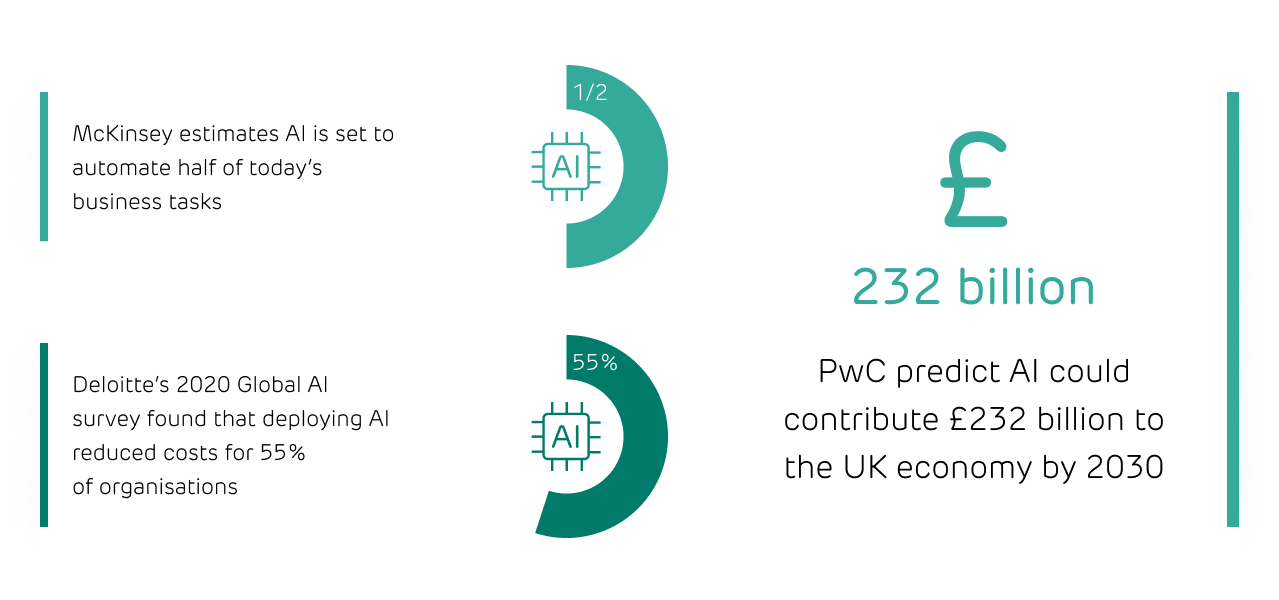
So what does that mean for the office? The blog frames the workplace as a “performance platform”, built for environmental control, agility, creativity and collaboration, and highlights how learning and upskilling will increasingly take centre stage.
In practice, that points to smarter collaboration rooms, better hybrid tools (lighting/cameras/audio), and flexible settings that help teams co-create at speed, supported by designers who can translate AI-generated possibilities into real, human-centred spaces.
2. “Power to the people”: portable charging as a workplace strategy
If your workplace strategy is built around choice, such as touchdown areas, booths, project tables, and cafés, then power becomes more than just an IT issue. It becomes an experience issue.
In "How to choose the perfect portable charging solution for your workplace", Omnicharge EMEA Sales Manager Richard Ripper looks at the “power paradox”: organisations want freedom and adaptability, but legacy power infrastructure is rigid (and costly to change).
The article makes the case for enterprise-grade portable power that supports activity-based working without the trip hazards and limitations of assigned spaces and DIY fixes.
3. RTO mandates: the data says “it’s complicated”
Return-to-office mandates surged in 2025—but the story isn’t as simple as “people must come back”. In "How are those ‘return-to-office (RTO) mandates’ working out?", we pulled together a range of evidence to show where friction is building.
The article highlights how quickly attitudes and expectations have shifted. Before 2020, less than 5% of UK employees worked mainly from home, and the pandemic compressed decades of workplace change into just a few years.
.webp?width=1200&height=600&name=UK-working-patterns-pre-pandemic-vs-post-pandemic%20(1).webp)
But mandates come with risk. One section flags a “perception gap”, where 66% of employees think RTO policies are driven by outdated norms, and 45% suspect they’re about justifying real estate commitments. Furthermore, a King's College study shows that the willingness to comply with five-day-a-week policies fell from 54% in 2022 to 42% in 2024.
The practical lesson is that if organisations want more in-person time, offices must offer something people can’t get on a laptop at home: side-by-side learning, collaboration, and community, especially as businesses navigate AI-driven change.
4. Office furniture trends (and the IE Ideas Book you’ll want to bookmark)
If 2025 proved anything, it’s that “nice furniture” isn’t the point. The point is performance, inclusion, and adaptability, delivered through smart specification.
In "Office furniture trends 2025: inspiring picks from the IE Ideas Book", we pulled trend signals directly from our New Product Ideas Book 2025, spanning flexible hybrid solutions, sustainable statement pieces, and furniture that helps workplaces work better.
The blog highlights the growing demand for private and collaborative zones within open-plan layouts, the influence of sustainability and inclusivity expectations, and an increasing focus on tech readiness.

It then grounds those ideas in real product directions, such as next-gen task chairs (e.g., Steelcase's Karman and Eva from Orangebox), tables and sit-stand solutions for dynamic work modes, more hospitable lounge/reception settings, and booths/pods designed for privacy and accessibility (including those suitable for wheelchair users and guide dogs).
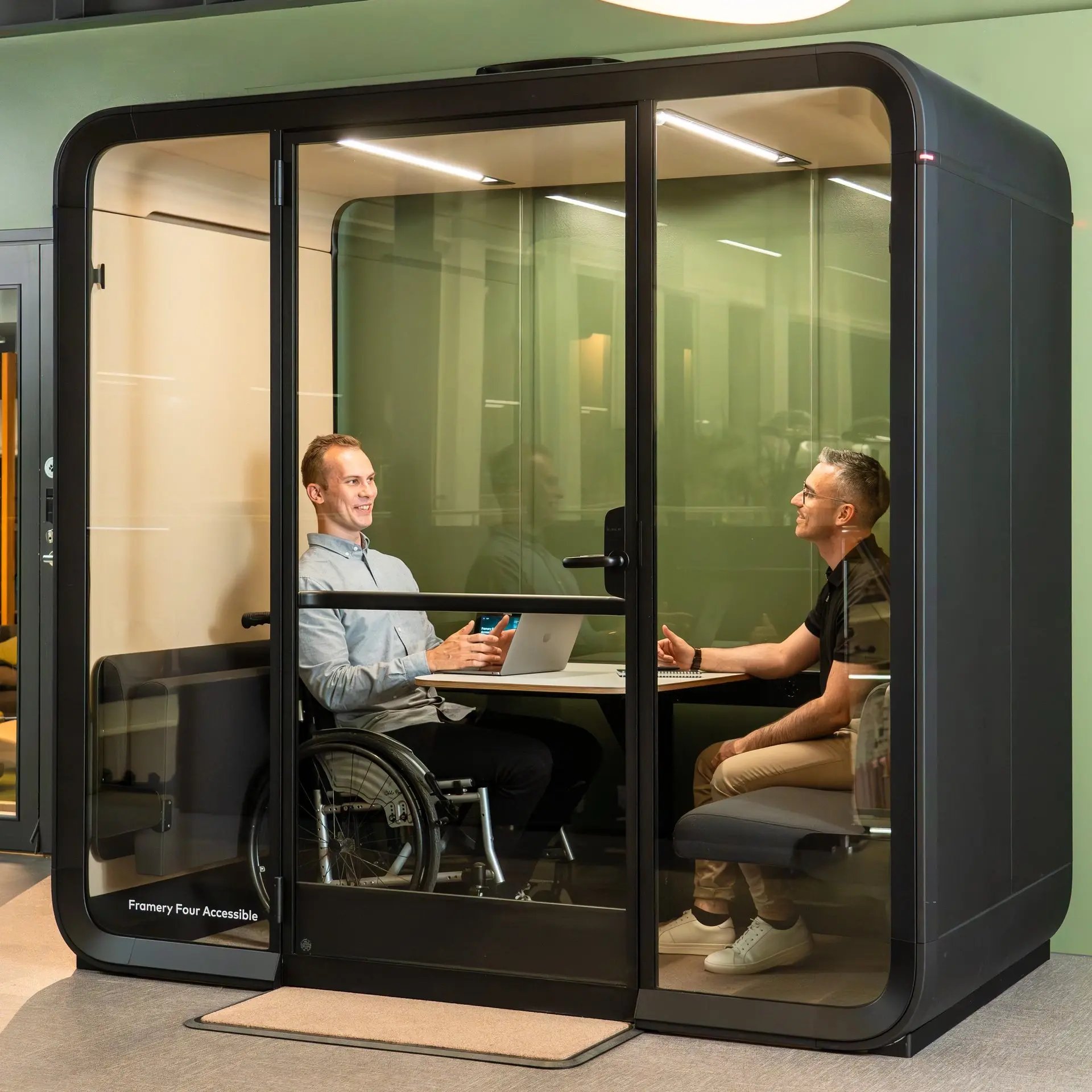
Framery | Four Accessible
5. IE becomes a Certified B Corporation™
One of the proudest moments of 2025 for IE is that we became a Certified B Corporation™.
In "Insightful Environments is now a certified B Corporation™", we share what this milestone recognises and why it matters. The B Corp™ certification is part of a global movement that uses business as a force for good—and IE’s certification is a continuation of our long-term work to strengthen how we operate, serve clients, and contribute to a more sustainable and equitable future of work.
Importantly, the blog is explicit about what this certification means for our clients and partners. Becoming a B Corp™ strengthens our ability to support organisations where sustainability and social responsibility are central, reinforcing three commitments:
-
Sustainability is embedded in our process (from product selection and material choices to circularity strategies and end-of-life planning)
-
Wellbeing-first design is a priority (including hybrid collaboration and neurodiversity-inclusive environments)
-
Designing workplaces with purpose, reflecting client values, and supporting people is our focus
Earning B Corp™ status affirms that our values are not just words but guiding principles that shape how we operate, support one another, and serve our stakeholders.
Conclusion
Across these five posts, a clear picture of 2026 emerges. Workplaces must be AI-ready, designed for real collaboration and learning, supported by the practical enablers of productivity and mobility, and underpinned by values organisations can stand behind.
At IE, that’s the intersection we work in, helping UK workplace leaders translate fast-moving change into environments that perform, from strategy and consultancy, to furniture specification, to delivery.
If you’re planning what comes next, whether it’s a re-fit, a hybrid refresh, or a sustainability-led procurement rethink, these 2025 reads are a strong place to start.